under the ocean

testing the a new bog that we have with picture in order to get to know if our slide show its working
Autonomous Ships Explained: How Uncrewed Vessels Could Change Shipping

Autonomous ships use sensors, navigation systems, communications technology and artificial intelligence to support or replace selected onboard decisions. The IMO’s non-mandatory MASS Code took effect on July 1, 2026, creating an initial international framework for testing autonomous cargo-ship operations. This article explains the technology, safety concerns and regulatory direction.
LNG Carriers Explained: How Liquefied Natural Gas Is Transported
LNG carriers transport natural gas at extremely low temperatures using specially designed storage tanks and safety systems. This article introduces the main types of LNG containment systems, explains how cargo temperature is maintained and looks at the operational challenges associated with transporting liquefied gas.
How Container Ships Work: Design, Capacity and Cargo Operations
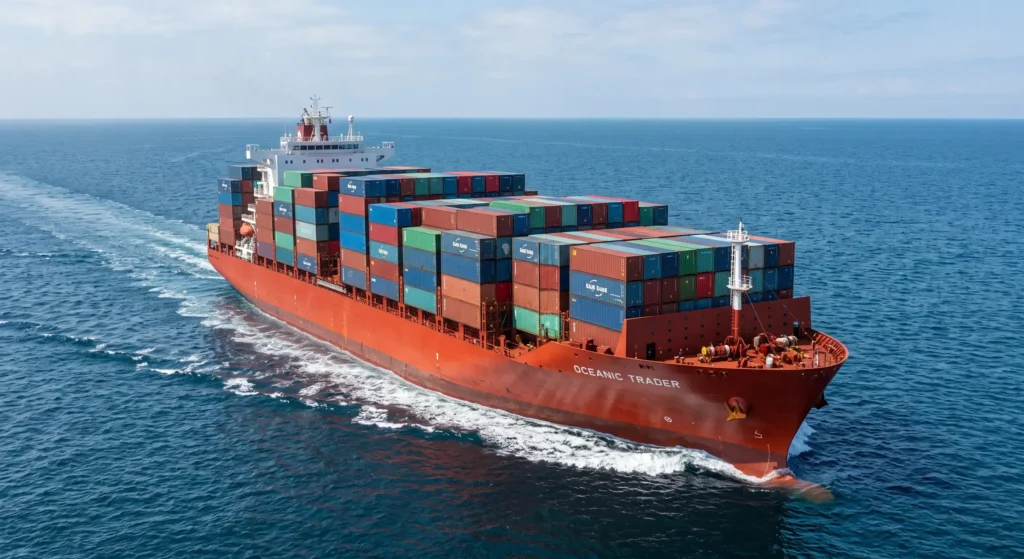
Container ships are highly specialized vessels built to transport large numbers of standardized containers between global ports. This article explains their basic design, container capacity, engine systems, cargo-planning process and the role of cranes, ports and crew members during loading and unloading.
Global Shipping Outlook: Five Trends Reshaping the Maritime Industry
Shipping companies are dealing with changing trade routes, fuel uncertainty, tighter environmental rules, digital transformation and skilled-worker shortages. This article presents five major forces influencing shipping and explains how they may affect ports, vessel operators, cargo owners and maritime professionals.
Why Lost Shipping Containers Are Becoming a Bigger Maritime Issue
Thousands of containers are transported across oceans every day, but severe weather, poor securing and vessel movement can cause cargo to fall overboard. This article explores why containers are lost at sea, how they affect navigation and marine environments, and how new reporting requirements may improve safety and accountability.